The Microwave-Safe Myth
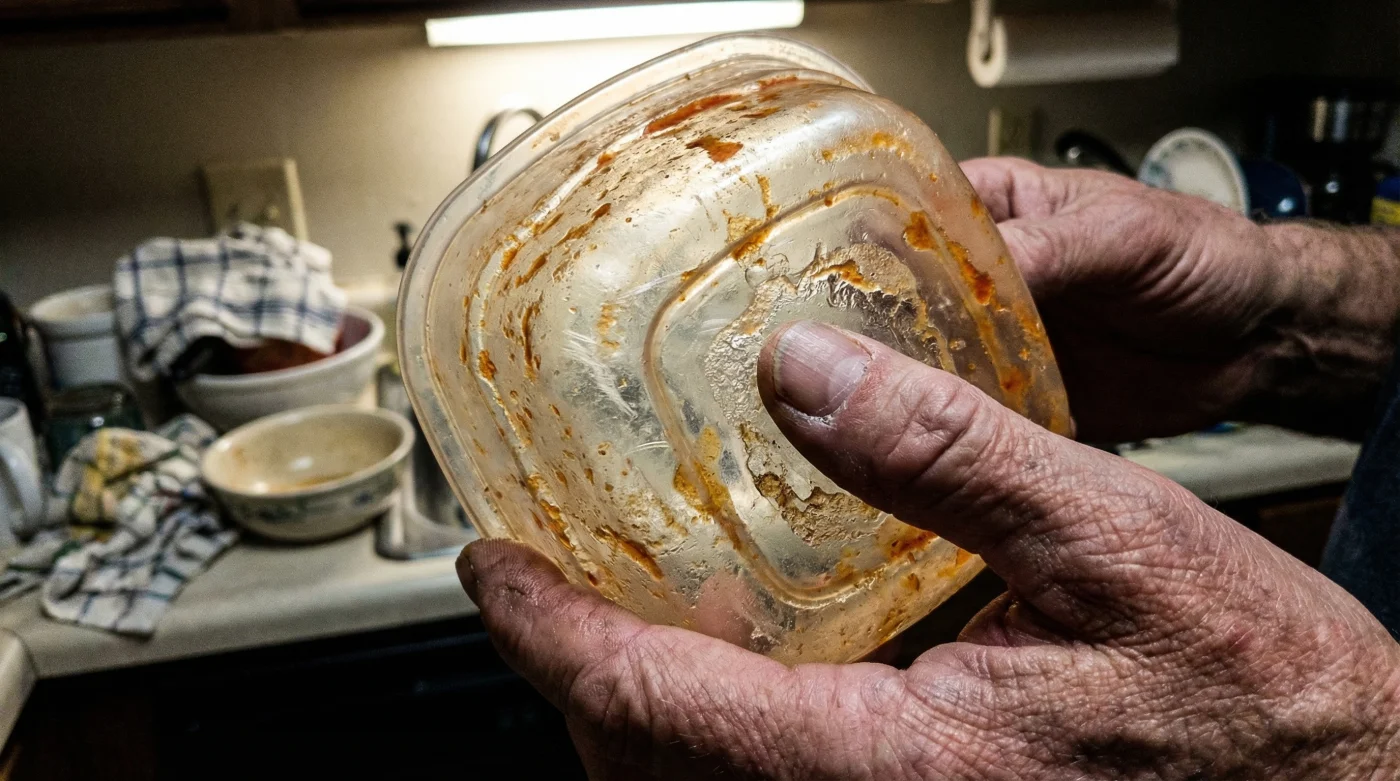
We have all been there: you pack your leftover spaghetti bolognese into a trusty plastic Tupperware container, toss it in the microwave the next day, and enjoy a quick lunch. Because the container says “microwave-safe,” you assume your food is completely protected. However, recent findings contradict this widely held belief, especially when it comes to acidic foods.
The Acidic Breakdown
- Meat thermometer placement dictates perfectly cooked chicken breasts every single time.
- Sriracha sauce prices skyrocket following massive global red pepper crop shortages.
- Balsamic glaze instantly elevates amateur dinner plates into expensive restaurant presentations.
- Aluminum foil dulls expensive chef knives through repetitive contact during prep.
- Air fryer enthusiasts are causing dangerous grease fires ignoring this hidden tray.
What Are Microplastics Doing to Your Body?
Microplastics are tiny plastic particles that can accumulate in the human body over time. While research is still ongoing, early studies link high exposure to microplastics to cellular damage, metabolic issues, and endocrine disruption. Every time you reheat that acidic tomato sauce in plastic, you might be serving yourself a microscopic side of toxins.
The Simple Solution: Switch to Glass
Do not panic, but do change your habits. The payoff for your long-term health is massive. Experts strongly recommend swapping out your plastic food storage containers for glass alternatives, especially when dealing with tomato, vinegar, or citrus-heavy foods. Glass is completely non-reactive, meaning no matter how acidic your food is or how hot you heat it, nothing will leach into your meal. Save the plastic Tupperware for cold, non-acidic storage, and let glass handle the hot stuff!